Why Crazy Brush Stands Out in Modern Branding and Design
In a digital landscape saturated with sleek, geometric sans-serifs and polished corporate typography, there is a growing hunger for authenticity. Audiences today are increasingly drawn to visuals that feel human, tactile, and approachable. This shift has brought hand-lettered styles back into the spotlight, not as a nostalgic gimmick, but as a strategic tool for connection. At the forefront of this movement is Crazy Brush, a clean hand-brushed font that strikes a delicate balance between artistic flair and functional readability. Whether you are an entrepreneur launching a new product line, a marketer crafting a social media campaign, or a designer looking for the perfect logotype, understanding the utility of this typeface can significantly elevate your creative output.
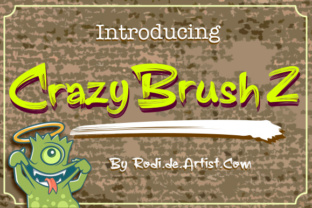
Crazy Brush is distinct because it captures the energy of a quick, confident stroke without sacrificing legibility. Unlike many script fonts that can become illegible when scaled down or used in long-form text, this font maintains clarity. It is ideal for branding projects that need to convey personality without appearing messy or unprofessional. The "clean" aspect of its design is crucial; it removes the excessive ink bleeds and irregularities often found in raw brush lettering, making it versatile enough for both print and screen applications. This makes it particularly appealing as a logotype for businesses that want to stand out in crowded marketplaces while retaining a sense of trustworthiness.
The Shift Toward Human-Centric Design
The relevance of fonts like Crazy Brush cannot be understood in isolation; it is part of a broader evolution in consumer expectations. Over the last decade, we have witnessed a pendulum swing from hyper-minimalism toward designs that evoke emotion. As automation and AI-generated content become ubiquitous, the value of the "human touch" has skyrocketed. Consumers are skeptical of overly polished, sterile advertising. They respond better to brands that feel like they were built by people, for people. A hand-brushed font signals effort, creativity, and a departure from the template-driven aesthetic that dominates much of the web.
This trend is evident across various industries. In the food and beverage sector, craft breweries and artisanal bakeries frequently utilize brush scripts to emphasize their small-batch, handmade origins. Similarly, in the tech and startup world, companies are adopting friendlier typography to soften their image and appear more accessible to non-technical audiences. Crazy Brush fits seamlessly into this narrative. Its goofy or cartoony undertones allow brands to inject humor and playfulness into their identity, breaking down barriers between the business and the customer. It suggests that the brand does not take itself too seriously, inviting the audience to relax and engage.
Practical Applications for Logotypes and Branding
When selecting a typeface for a logotype, the stakes are high. The font must be memorable, scalable, and reflective of the brand's core values. Crazy Brush excels here because it offers high impact at various sizes. For a logo, the thick strokes and dynamic angles create a strong visual anchor. Because it is a display font, it works best when used for short phrases, company names, or taglines rather than body copy. This limitation is actually a strength; it forces designers to be concise and impactful with their messaging.
Consider a children's educational app or a toy store. Using a rigid, traditional serif font might convey authority, but it could also feel cold or intimidating to young users. Crazy Brush, with its inherent playfulness, immediately signals fun and safety. Conversely, imagine a creative agency or a freelance illustrator. Using this font in their personal branding demonstrates confidence and artistic capability. It tells potential clients, "We are creative, we are bold, and we think outside the box." The versatility allows it to bridge the gap between professional competence and creative freedom.
- Packaging Design: The font's bold lines stand out on shelves, making products instantly recognizable against competitors using standard typography.
- Social Media Graphics: In the fast-scrolling environment of Instagram or TikTok, Crazy Brush grabs attention quickly due to its unique character shapes.
- Merchandise: From t-shirts to tote bags, the font translates well to fabric printing, adding a custom, boutique feel to apparel.
- Event Signage: For workshops, festivals, or pop-up shops, the font creates an inviting atmosphere that encourages participation.
Adapting to Modern Workflows and Digital Demands
The way we consume content has changed dramatically. We no longer just read; we scan, swipe, and tap. Typography must adapt to these behaviors. A font that looks beautiful in a printed brochure might fail miserably on a mobile screen if the details are too fine or the spacing is too tight. Crazy Brush addresses this by offering robust character forms that remain distinct even on smaller displays. This responsiveness is critical for modern workflows where a single asset might need to function across a website header, a mobile app icon, and a digital ad banner.
Furthermore, the rise of video content has introduced new requirements for typography. Motion graphics and animated titles benefit greatly from fonts with strong silhouettes. The dynamic nature of a brush font like Crazy Brush lends itself well to animation. Designers can easily animate the "stroke" appearing on screen, mimicking the act of writing, which adds an layer of engagement to video intros or promotional clips. This adaptability ensures that the font remains a valuable asset in a creator's toolkit, regardless of the medium they are working in.
Balancing Playfulness with Professionalism
One common misconception about cartoony or goofy fonts is that they lack professionalism. However, context is everything. When used appropriately, Crazy Brush conveys a specific type of professionalism—one that is approachable, innovative, and customer-focused. It is not suitable for a law firm or a medical device manufacturer where gravity and precision are paramount. But for lifestyle brands, entertainment venues, creative services, and consumer goods, it projects a confidence that rigid fonts cannot achieve.
The key to successful implementation lies in pairing. To maintain balance, designers often pair Crazy Brush with a neutral, clean sans-serif for body text or secondary information. This contrast allows the brush font to shine as the star of the show while ensuring that detailed information remains easy to read. For instance, a poster for a music festival might use Crazy Brush for the band names and dates, creating excitement, while using a simple sans-serif for the ticket prices and venue rules. This hierarchy guides the viewer's eye and ensures the message is communicated effectively.
- Define Your Audience: Ensure your target demographic resonates with a playful tone before committing to this style.
- Test Legibility: Always view your designs at actual size, especially on mobile devices, to ensure the brush strokes do not blur together.
- Mind the Spacing: Hand-brushed fonts often require adjusted kerning (space between letters) to prevent overlapping and maintain readability.
- Limit Usage: Use the font sparingly for headlines and accents to maximize its impact without overwhelming the viewer.
The Future of Expressive Typography
As we look forward, the demand for expressive, character-driven typography is likely to grow. As markets become more saturated, differentiation becomes the primary challenge for businesses. Generic fonts no longer cut through the noise. Tools and assets that allow creators to infuse personality into their work will continue to be highly valued. Crazy Brush represents this future—a tool that empowers users to break away from the mundane and create visuals that resonate on an emotional level.
Moreover, the accessibility of high-quality fonts has democratized design. Small business owners and hobbyists no longer need to hire expensive agencies to achieve a polished look. With resources like Crazy Brush readily available, entrepreneurs can craft their own brand identities with a level of sophistication that was once reserved for large corporations. This shift empowers individuals to tell their stories visually, fostering a more diverse and vibrant creative ecosystem.
Ultimately, the choice of font is a choice of voice. Do you want to sound robotic and distant, or human and engaging? Crazy Brush offers a compelling option for those who choose the latter. It is more than just a collection of letters; it is a design element that carries mood, energy, and intent. By integrating such a font into your projects, you align yourself with current trends that prioritize connection and authenticity. Whether you are designing a logo for a new startup, creating content for a blog, or simply experimenting with graphic design, embracing the unique characteristics of a clean hand-brushed font can transform a good project into a great one. The goal is not just to be seen, but to be remembered, and in a world of uniformity, a little bit of crazy goes a long way.