Unleashing Creative Energy with the Brushiva Textured Display Font
In the ever-evolving landscape of graphic design, typography serves as the voice of a brand, often speaking louder than imagery itself. Among the vast array of typefaces available to creators, Brushiva stands out as a distinctive choice for those seeking to inject personality and raw energy into their visual communications. This textured dry brushed font is not merely a collection of letters; it is a stylistic tool capable of transforming mundane layouts into relaxed, hip, and engaging experiences. Understanding how to leverage such a specific typographic asset requires a deep dive into its characteristics, ideal applications, and the psychological impact it has on viewers.
The Aesthetic DNA of Dry Brushed Typography
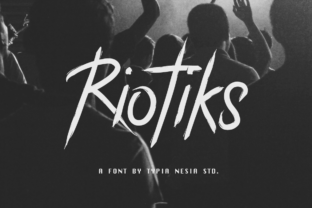
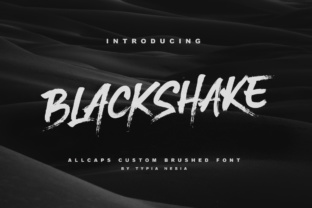
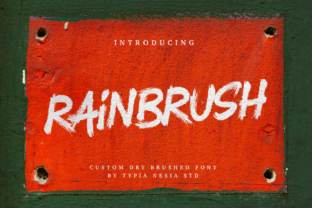
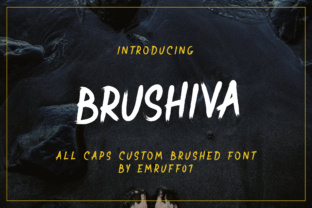
To fully appreciate the utility of Brushiva, one must first understand the aesthetic tradition it draws from. Dry brush lettering mimics the effect of a paintbrush that has been loaded with pigment but dragged across a rough surface, leaving behind streaks, gaps, and texture. This technique creates an organic, imperfect look that contrasts sharply with the sterile precision of vector-based sans-serif fonts. Brushiva captures this essence digitally, offering a consistent yet naturally varied stroke that suggests human touch and artistic effort.
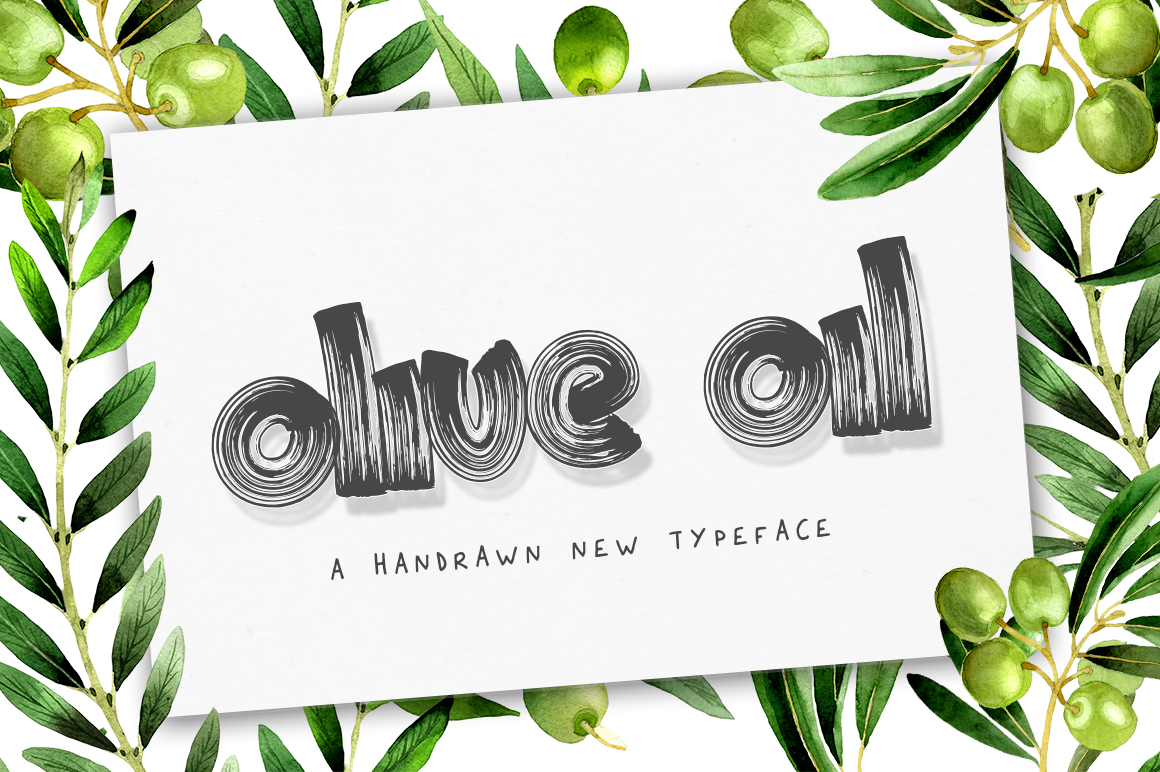
The "textured" aspect of this font family is crucial. Unlike solid fill fonts, the internal details of the glyphs in Brushiva allow background colors or patterns to peek through slightly, creating a sense of depth and integration with the surrounding design elements. This makes it an excellent candidate for layered compositions where the text needs to feel like part of the environment rather than a sticker placed on top. For designers working on projects that require a vintage, artisanal, or street-art vibe, this level of detail provides an immediate shortcut to establishing the right mood without needing extensive custom illustration.
Why Texture Matters in Digital Design
In a digital world dominated by high-resolution screens and smooth gradients, texture acts as a disruptor. It grabs attention because it breaks the pattern of perfection. When a user scrolls through a feed of polished corporate imagery, a headline set in Brushiva stops the eye. The rough edges and uneven ink distribution signal authenticity. This is particularly relevant for brands trying to distance themselves from the "corporate blue" aesthetic and move toward something more approachable and human-centric. The font suggests that there is a real person behind the business, someone who values creativity and isn't afraid to get their hands dirty.
Strategic Applications Across Industries
The versatility of Brushiva extends far beyond simple headlines. While it is categorized as a display font—meaning it is intended for use at larger sizes—it finds a home in a surprising variety of industries. Its relaxed and hip nature makes it a favorite for lifestyle brands, but its structural integrity allows it to function in more formal contexts when used sparingly.
- Beverage and Food Packaging: Craft breweries, artisanal coffee roasters, and gourmet food trucks frequently utilize dry brushed fonts to convey freshness and small-batch quality. A label featuring Brushiva immediately tells the consumer that the product inside is handmade and unique.
- Fashion and Apparel: Streetwear brands and boutique clothing lines often print this style of typography on t-shirts and hoodies. The texture of the font complements the fabric, making the graphic feel integrated into the garment rather than just printed on it.
- Event Promotion: From music festivals to local art markets, event posters need to scream excitement. Brushiva's dynamic strokes capture the energy of live events, making it perfect for flyers, social media banners, and ticket designs.
- Digital Marketing: In social media campaigns, particularly on platforms like Instagram and TikTok, standing out is key. Using Brushiva for quote graphics or promotional overlays can increase engagement rates by adding a layer of visual interest that standard fonts lack.
Pairing Brushiva for Maximum Impact
One of the most critical skills in utilizing a characterful font like Brushiva is knowing what to pair it with. Because the font is so expressive and textured, it demands a partner that provides stability. The golden rule of typography applies here: contrast is king. Pairing Brushiva with a clean, geometric sans-serif font for body copy creates a balanced hierarchy. The sans-serif handles the heavy lifting of readability, while Brushiva acts as the emotional anchor.
For example, in a website header, one might use Brushiva for the main value proposition ("Crafted for Creators") and a neutral font like Helvetica or Roboto for the subheading and navigation links. This prevents the design from becoming visually noisy. If you were to pair it with another decorative or script font, the result would likely be chaotic and difficult to read. The goal is to let Brushiva shine as the star of the show while supporting actors keep the performance grounded.
Implementation Best Practices for Designers
While the aesthetic appeal of Brushiva is undeniable, practical implementation requires careful consideration of legibility and scale. As a display font, it is not designed for long paragraphs of text. At small sizes, the intricate textures and dry brush effects can disappear, causing the letters to look muddy or broken. Therefore, it is essential to reserve this typeface for headings, logos, pull quotes, and short calls to action.
When working with Brushiva in print media, designers should pay close attention to the printing method. Offset printing generally handles textured fonts well, but digital printing on certain papers might fill in the delicate gaps of the dry brush effect. It is always advisable to run a test print to ensure the texture translates correctly to the physical medium. Similarly, in web design, ensuring that the font file is optimized for fast loading is vital. Since textured fonts can sometimes have complex vector paths, they may be heavier than standard fonts. Using modern font formats like WOFF2 can help maintain site speed without sacrificing the visual fidelity of the typeface.
Navigating Licensing and Usage Rights
For professionals and business owners, understanding the licensing terms associated with Brushiva is a non-negotiable step before incorporation into a project. Fonts are intellectual property, and usage rights can vary significantly between personal and commercial licenses. A hobbyist creating a birthday invitation for a friend may fall under a personal license, whereas a marketing agency designing a national ad campaign will require a robust commercial license. Always verify the specific terms provided by the foundry or distributor. Some licenses may restrict the number of impressions, the number of users, or the types of products (such as merchandise for resale) on which the font can be used. Respecting these boundaries protects both the designer and the client from legal complications down the road.
The Psychological Influence of Relaxed Typography
Beyond the technical and aesthetic considerations, there is a psychological component to choosing a font like Brushiva. Typography influences how we perceive the tone of a message. Sharp, angular fonts often convey authority, urgency, or modernity. Soft, rounded fonts suggest friendliness and approachability. Brushiva, with its imperfect strokes and casual demeanor, communicates creativity, freedom, and a lack of pretension.
This psychological cue is powerful for brands targeting millennials and Gen Z consumers, demographics that often value authenticity over polish. When a potential customer sees a headline in Brushiva, they subconsciously categorize the brand as "cool," "accessible," and "innovative." It lowers the barrier to entry, making the viewer feel that the brand is speaking their language. In educational settings or community outreach programs, this font can make information feel less intimidating and more inviting, encouraging higher levels of engagement and participation.
Future Trends in Textured Display Fonts
The popularity of dry brushed and textured fonts like Brushiva reflects a broader trend in design moving away from the ultra-flat, minimal styles that dominated the early 2010s. We are seeing a resurgence of tactility in digital spaces. Designers are looking for ways to bring the warmth of analog media into the digital realm. As screen technologies improve and support for variable fonts expands, we can expect to see even more sophisticated iterations of textured typography. Future versions may allow users to adjust the level of "dryness" or texture intensity dynamically, offering unprecedented control over the final look.
However, despite these technological advancements, the core appeal of fonts like Brushiva remains rooted in their ability to tell a story. They remind us that design is not just about arranging pixels; it is about evoking emotion and connecting with people on a human level. Whether used for a high-energy sports campaign or a cozy café menu, the right application of this stylish punch can elevate a project from good to unforgettable.
In conclusion, integrating Brushiva into a design workflow offers a multitude of benefits for creators willing to explore its potential. By understanding its textured nature, pairing it wisely, and applying it strategically, designers can craft visuals that resonate deeply with audiences. It is a testament to the power of typography to define brand identity and create lasting impressions in a crowded visual landscape. As the demand for authentic and relatable content grows, tools like Brushiva will continue to be indispensable assets in the toolkit of the modern creative professional.